
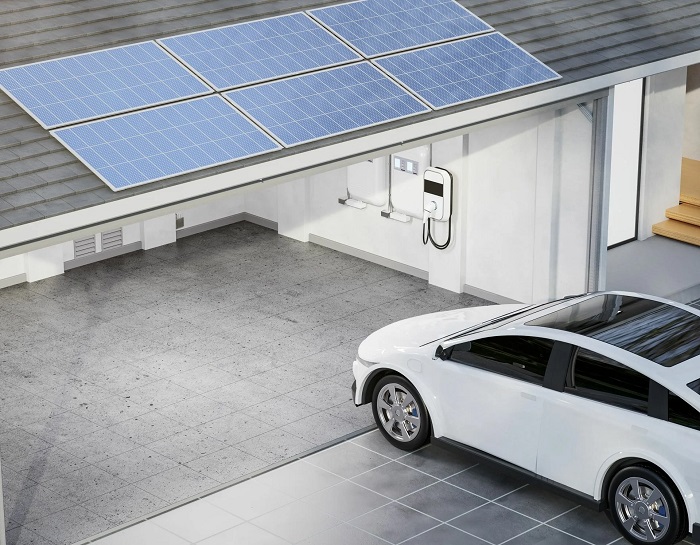
Two homes can use the same amount of electricity and pay very different bills. The difference may be timing. With time-of-use rates, a kilowatt-hour at 8 p.m. can cost more than a kilowatt-hour at 1 p.m., even though the appliance never knows the difference.
Time-of-use pricing, often called TOU, charges different rates based on when electricity is used. The Alternative Fuels Data Center explains that prices rise during peak demand periods and fall during low-demand periods. That one tariff detail can change the payback story for solar panels, home batteries, and EV charging.
Solar Alone Solves Only Part of the Timing Problem
Solar panels produce during the day. Many homes use the most electricity in the evening, when people cook, cool or heat the house, run laundry, watch TV, and plug in EVs. If the utility pays low credits for exported solar but charges high rates later, the value of storing energy increases.
A battery turns solar from a daytime-only resource into a flexible resource. It can store midday production and discharge during the expensive window. The EV charger can then be scheduled around both solar availability and the rate plan.
The AFDC also notes that some utilities offer residential time-of-use rates or charging incentives for EV owners. That can create a second strategy: charge the stationary battery or EV when electricity is cheap, then avoid grid purchases when rates rise.
The EV Makes Load Shifting More Important
An EV adds a large flexible load. Unlike a refrigerator, it often does not need power at the exact moment it plugs in. If the car only needs to be ready by morning, the system can choose a better charging window.
That flexibility is valuable only if controls are in place. A basic charger may start immediately and pull power during the most expensive hours. A smarter home energy setup can wait for surplus solar, respect battery reserve settings, or shift charging into the lowest-rate overnight window.
This is where an ESYsunhome home energy solution fits the conversation. The value is not only the battery cabinet or charger. It is the coordination among solar, storage, EV charging, backup reserve, and monitoring.
Payback Depends on the Spread
The bigger the gap between low-rate and high-rate electricity, the more load shifting can matter. If off-peak power is only slightly cheaper, the savings may be modest. If peak rates are much higher, a battery that discharges during peak periods can have a stronger financial role.
The U.S. Department of Energy’s energy storage valuation work notes that behind-the-meter projects can be modeled with complex rate structures, including tiered TOU pricing and demand charges. That is a reminder that payback is local. A strong battery case in one utility territory may be weak in another.
A Better Way to Compare Systems
Instead of asking whether solar-plus-storage always pays back, homeowners should ask how the system will operate hour by hour. When does solar exceed household load? When does the EV usually plug in? How much reserve should stay in the battery for outages? What happens on weekends, holidays, and cloudy weeks?
A TOU tariff rewards systems that can make those decisions automatically. Solar creates the energy. Storage gives it flexibility. The EV charger adds a controllable load. The software ties the pieces together.
Time-of-use rates do not guarantee a fast payback, but they make timing visible. Once timing has a price, intelligent energy management stops being a nice extra and becomes part of the financial design.