
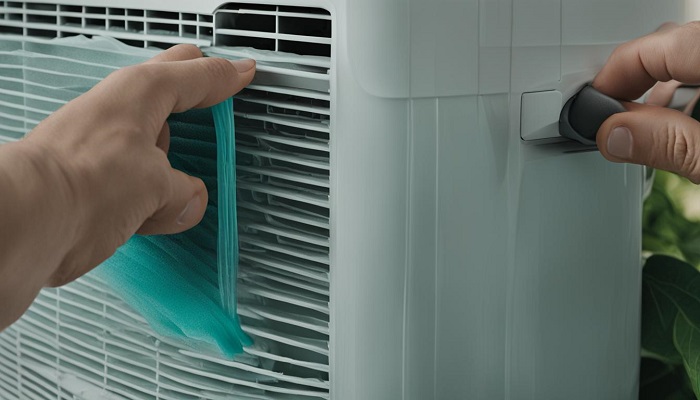
Regularly replacing your air conditioner’s air filter maintains stable cooling system operation, reduces fan load, and helps keep energy consumption reasonable. A clean filter improves airflow through the indoor unit, which directly impacts cooling performance and indoor comfort with local air conditioner repair company.
If the filter is clogged with dust, the air conditioner runs at higher speeds more often, dissipates heat less effectively, and becomes dirty faster inside. This results in unwanted odors, increases the risk of heat exchanger freezing, and increases maintenance costs.
When to change or clean the filter
The period depends on operating conditions: number of floors, proximity to roads, presence of pets, frequency of ventilation, and the duration of air conditioner operation. Most household models are designed to be cleaned regularly, not just replaced, but the material wears out over time and requires replacement.
- Every 2-4 weeks – a quick check and cleaning during active use (daily in summer).
- Every 1-3 months – a thorough wash and inspection of the frame, mesh, and fasteners.
- If airflow deteriorates – an unscheduled cleaning/replacement, even if the deadline has not yet arrived.
- After renovations or dusty work – cleaning is mandatory, as construction dust quickly clogs the filter element.
Signs of a dirty filter
- the air blows noticeably weaker with the previous settings;
- cooling/heating has become slower;
- a musty or dusty odor has appeared when when turned on;
- the indoor unit has become noisier;
- dust accumulates more quickly on the blinds and housing.
When it’s time to install a new filter element: signs of clogging and decreased efficiency
Replacing your air conditioner’s air filter regularly directly impacts indoor air quality, cooling/heating stability, and energy consumption. A clogged filter element impairs circulation, forcing the system to operate longer and with greater load.
It’s important to consider not only the operating instructions but also actual signs: operating conditions (dust, animal hair, renovations, high traffic) can significantly shorten the filter’s lifespan. If symptoms recur after cleaning (for washable filters) or appear quickly, it is best to replace the element.
Signs of clogging and decreased efficiency
- Weak air flow from the indoor unit at the same fan speed settings.
- Cooling/heating takes longer, the temperature is reached more slowly or does not reach the set temperature.
- Odors (musty, dusty, damp) appear when turned on, even after ventilation.
- Increased dust formation: dust settles faster on furniture, dirt is visible around the air distribution grilles.
- Increased noise: the fan is noticeably louder due to airflow resistance.
- Frequent stops/restarts, unstable operation of the temperature maintenance mode (an indirect sign of airflow overload) (tract).
- Traces of contamination on the filter: dense gray-black film, dust accumulation, wool «felt,» greasy layer (kitchen).
- Discomfort in people: dryness, irritation, sneezing when the air conditioner is running (all other things being equal).
Summary: If the air conditioner has become less efficient at blowing air and maintaining temperature, an odor has appeared, or noise has noticeably increased, the filter is most likely restricting airflow and reducing efficiency. Regular inspection and timely replacement of the filter element help maintain air quality, reduce the load on the equipment, and avoid unnecessary energy and maintenance costs.